How to Choose Ceiling Light Fixtures That Match Your Living Room Furniture Layout
Homeowners and renters arranging living room lighting around existing or planned furniture will find this guide useful. It explains how to match ceiling light fixtures to seating layouts, hanging heights, and light output needs through practical steps you can apply directly. Where approved reference data applies, such as energy efficiency or material care, it is cited; elsewhere, the guidance consists of concrete actions and questions to ask your lighting supplier.
Contents
- What size ceiling light fixture fits a living room furniture layout?
- At what height should a ceiling light hang above living room furniture?
- How does seating arrangement determine ceiling light placement?
- What light spread and lumen output does a furnished living room need?
- Which ceiling light types work best for specific UAE living room layouts?
- Checklist: Verifying your ceiling fixture against your furniture plan
Key takeaways
- Many people assume room square footage alone dictates fixture size.
- Hanging height serves two purposes: providing clearance for people moving through the room and positioning the light source so it illuminates seated areas without causing glare.
- Builders frequently install ceiling junction boxes at the geometric centre of a room.
- Lumen requirements depend on room area, surface colours, and the tasks performed within the seating layout.
- No approved source records establish universal rankings for fixture types by region.
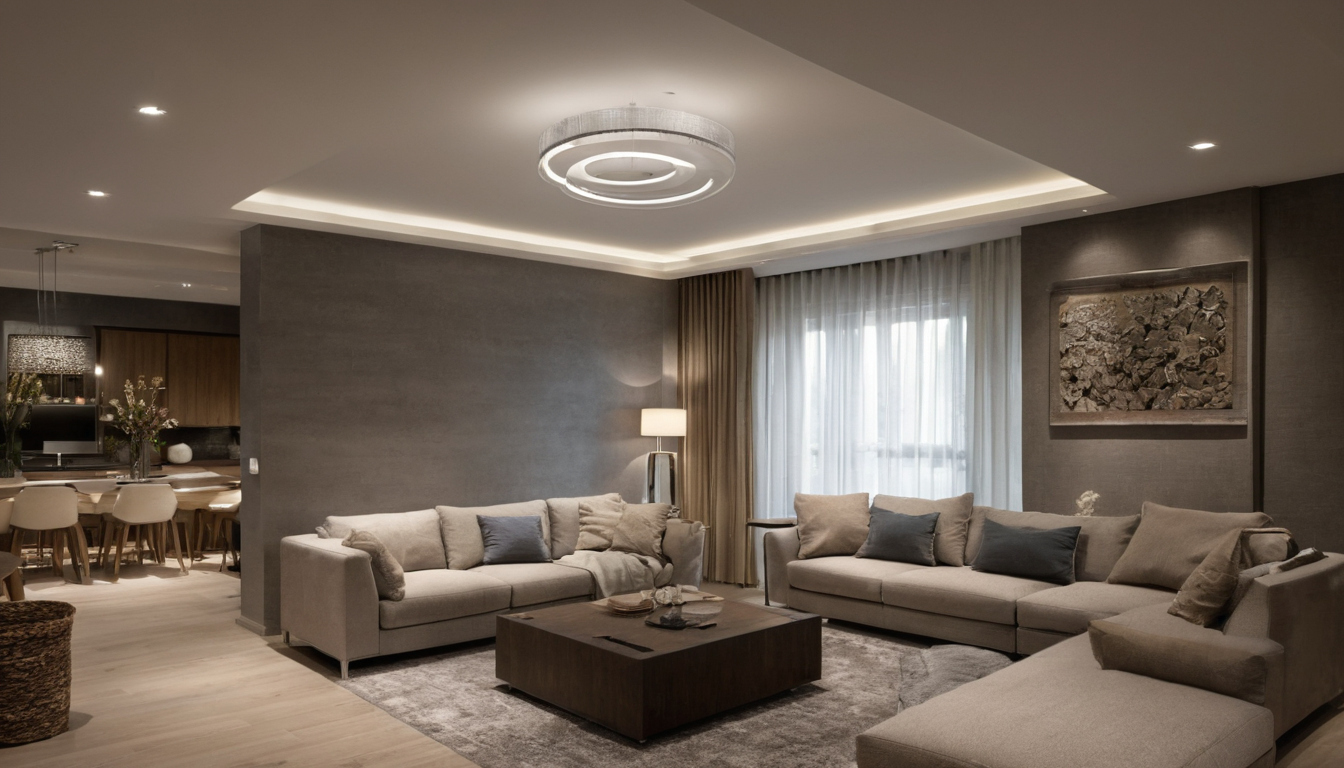
How to Choose Ceiling Light Fixtures That Match Your Living Room Furniture Layout.
- Fixture diameter should be proportional to both the room dimensions and the footprint of the primary furniture grouping beneath it.
- Hanging height must clear standing occupants while directing light toward seated eye level, adjusted for ceiling height.
- The center of your main seating arrangement typically dictates the focal point for overhead lighting placement.
- Total lumen output depends on room area, surface reflectance, and intended activities; ask suppliers for photometric data before purchasing.
- ENERGY STAR states that qualified LED lighting uses at least 75 percent less energy and lasts up to 25 times longer than incandescent lighting.
- What size ceiling light fixture fits a living room furniture layout?
- At what height should a ceiling light hang above living room furniture?
- How does seating arrangement determine ceiling light placement?
- What light spread and lumen output does a furnished living room need?
- Which ceiling light types work best for specific UAE living room layouts?
- Checklist: Verifying your ceiling fixture against your furniture plan
- Frequently Asked Questions
What size ceiling light fixture fits a living room furniture layout?
Many people assume room square footage alone dictates fixture size. The furniture layout matters just as much. A large fixture centred over an empty floor wastes visual weight if the seating cluster occupies only one corner of the room. Size the fixture relative to the footprint of your primary furniture grouping instead.
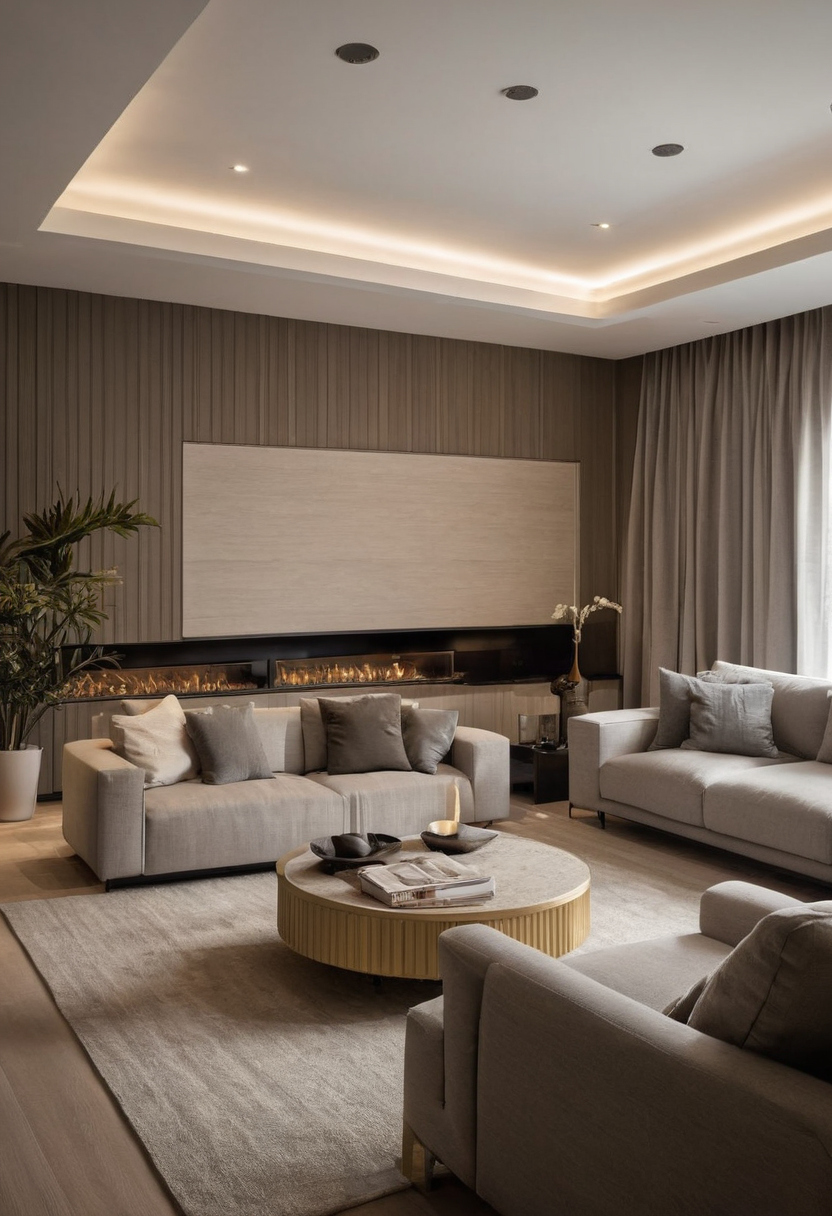
What size ceiling light fixture fits a living room furniture layout.
Follow these steps to determine an appropriate scale:
- Measure the length and width of your main seating arrangement (sofa, chairs, coffee table) rather than just the room perimeter.
- Ask your lighting supplier for the fixture's visual diameter and compare it to the shorter dimension of that furniture grouping. The fixture generally should not visually overpower the largest piece of furniture beneath it.
- If your layout includes multiple distinct seating zones, consider several smaller fixtures or a multi-light system rather than one oversized central piece.
At what height should a ceiling light hang above living room furniture?
Hanging height serves two purposes: providing clearance for people moving through the room and positioning the light source so it illuminates seated areas without causing glare. Standard advice often cites a single fixed distance from the floor, but this ignores variations in furniture height, ceiling height, and occupant movement paths.
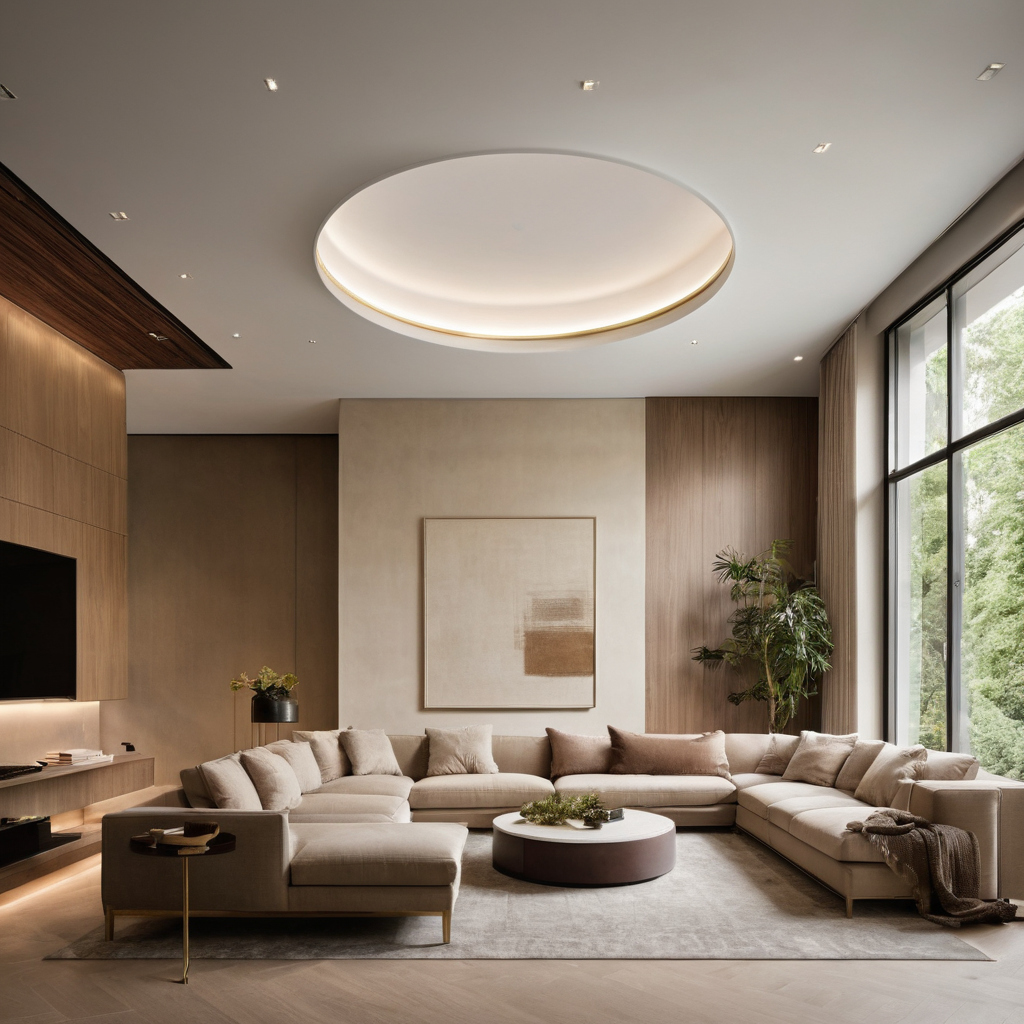
Heat generated by enclosed fittings also affects nearby materials.
Apply these steps when planning suspension height:
- Identify the tallest standing traffic path beneath or adjacent to the fixture location. Ensure the bottom of the fixture clears the tallest household member walking through that path.
- For fixtures hung over a coffee table within a seating arrangement, measure from the table surface upward. Ask your installer or supplier what drop lengths are available to keep the light close enough to the table to serve as a visual anchor without obstructing sightlines between seated people.
- In rooms with higher-than-standard ceilings, request adjustable stems or chains from your supplier so the fixture can be lowered proportionally to maintain its relationship with the furniture below.
How does seating arrangement determine ceiling light placement?
Builders frequently install ceiling junction boxes at the geometric centre of a room. If your furniture is arranged asymmetrically, pushed toward a window wall, oriented around a fireplace, or divided into conversation zones, a centrally placed fixture will miss its target.
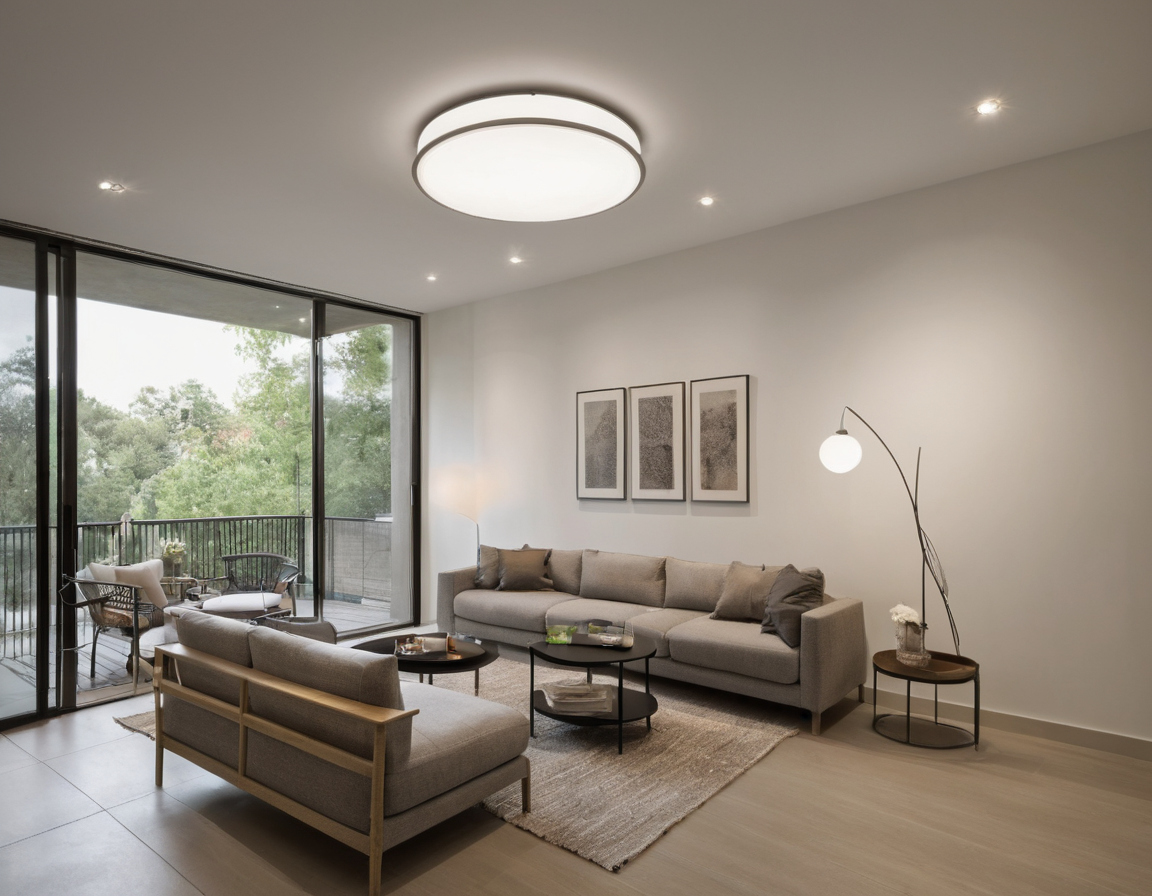
At what height should a ceiling light hang above living room furniture.
To align placement with your actual layout:
- Map the centre point of your primary conversation area. This is usually the midpoint between facing sofas or the centre of a U-shaped seating arrangement.
- If relocating a hardwired junction box is not feasible, ask your electrician or supplier about swag kits, ceiling medallions that conceal wire runs, or track systems that allow you to shift the light source away from the original box position.
- For open-plan living rooms where furniture defines zones, evaluate whether a single fixture can cover the main seating area or if secondary lighting (recessed or plug-in) is needed to support peripheral furniture groupings.
What light spread and lumen output does a furnished living room need?
Lumen requirements depend on room area, surface colours, and the tasks performed within the seating layout. Dark upholstery and matte finishes absorb more light than pale, reflective surfaces, meaning a room with heavy, dark furniture may require higher output to achieve the same perceived brightness.
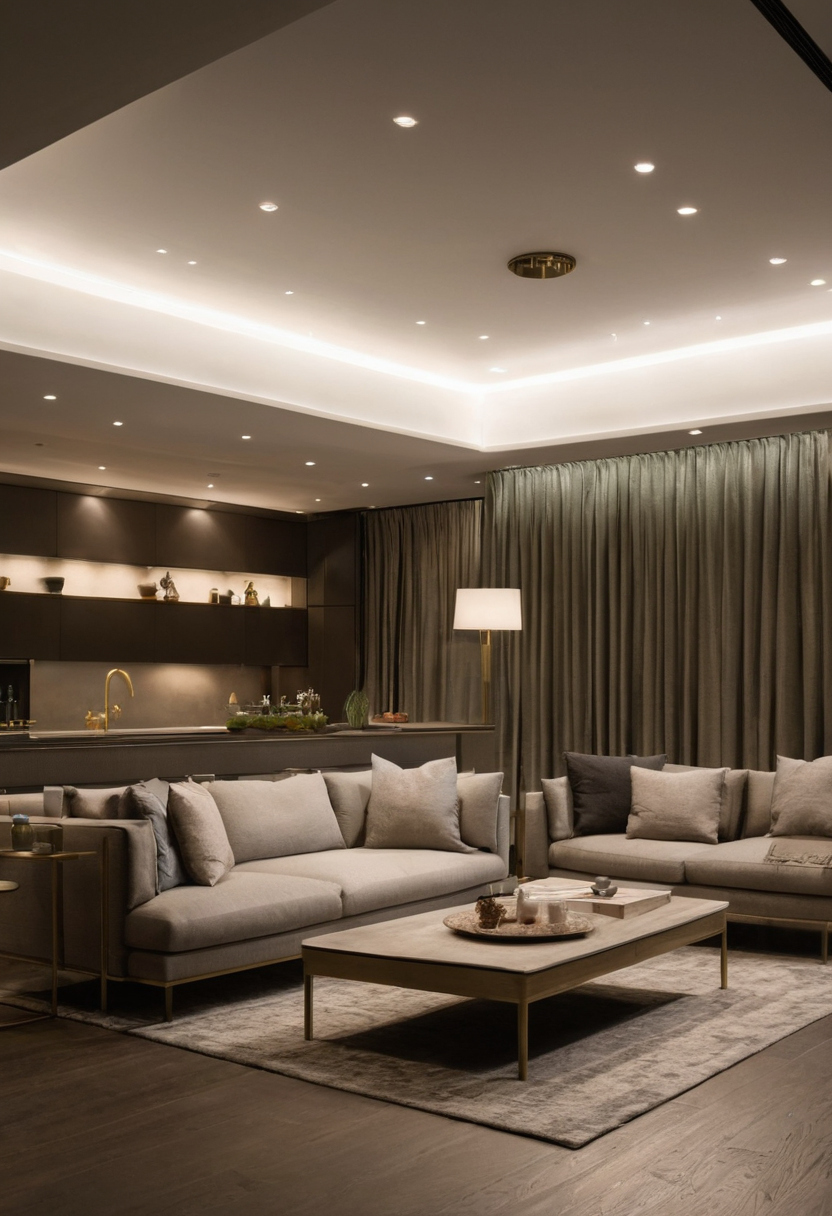
How does seating arrangement determine ceiling light placement.
Take these actions to determine output and spread:
- Calculate the square footage of the specific furniture zone you intend to light, not necessarily the entire room if it is open-plan.
- Request photometric data (beam angle and lumen output charts) from your lighting supplier. A wider beam angle spreads light evenly across a broad sofa arrangement, while a narrower beam concentrates it over a specific reading chair or table.
- When selecting bulbs or integrated modules, prioritise efficiency. According to ENERGY STAR, qualified LED lighting uses at least 75 percent less energy and lasts up to 25 times longer than incandescent lighting. Use this specification as a baseline question when evaluating fixture options with your supplier.
- Consider dimmable drivers or compatible bulbs so you can adjust output based on time of day or activity within the seating area.
Which ceiling light types work best for specific UAE living room layouts?
No approved source records establish universal rankings for fixture types by region. Selection depends entirely on your specific ceiling height, furniture configuration, and architectural constraints. Rather than relying on regional generalisations, use the following approach to evaluate fixture types for your space.
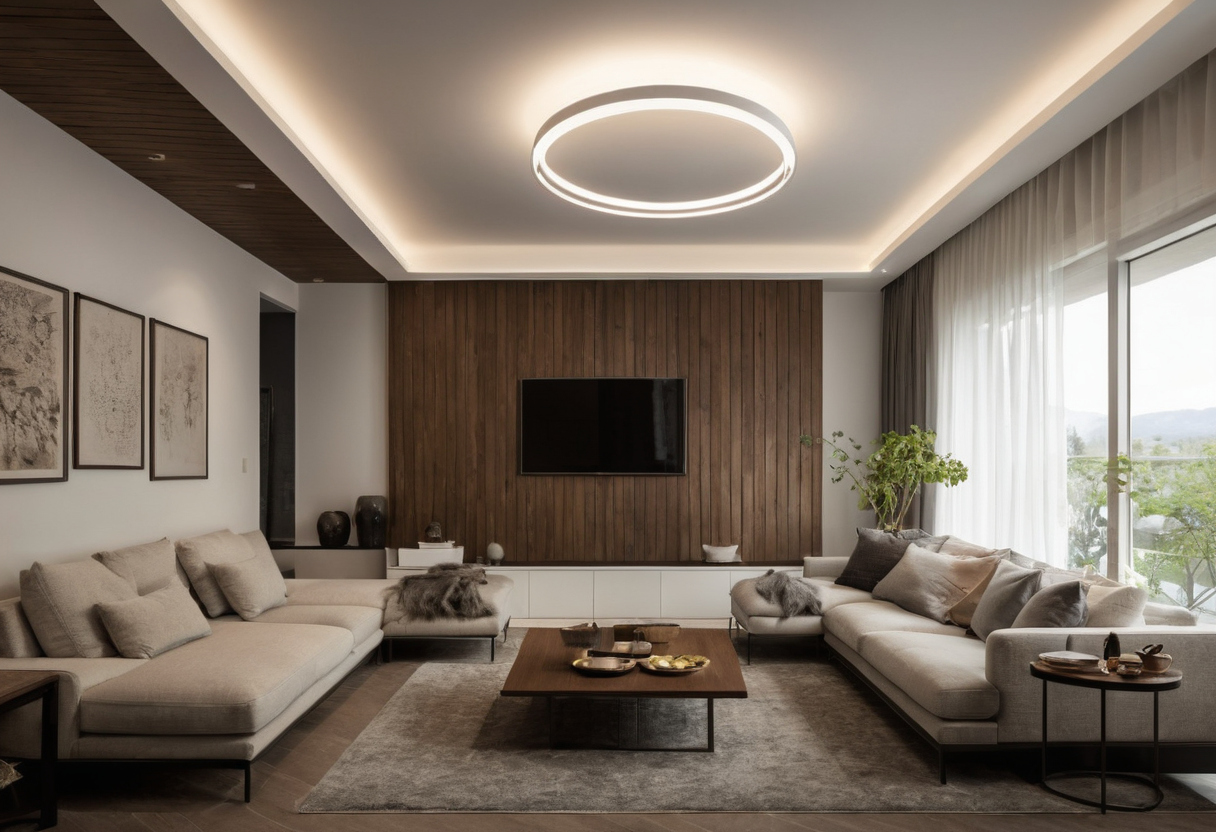
What light spread and lumen output does a furnished living room need.
Questions to ask your local supplier or designer:
- For low-clearance ceilings common in some apartment layouts: Ask which flush-mount or semi-flush fixtures provide adequate lumen output without encroaching on headroom above your tallest furniture pieces.
- For high-ceiling villas: Ask about chandelier or pendant suspension limits, maximum stem lengths available, and whether the fixture's weight rating matches your ceiling structure.
- For modular or frequently rearranged seating: Ask whether track lighting or multi-pendant systems allow you to redirect light as furniture moves.
- Confirm that any selected LED fixture meets the efficiency benchmarks noted by ENERGY STAR (at least 75 percent less energy than incandescent alternatives).
When installing new fixtures or finishing surrounding ceilings, be aware of indoor air quality considerations. The U.S. Environmental Protection Agency identifies paints, varnishes, waxes, cleaning products, building materials, and furnishings as common indoor sources of volatile organic compounds. If your installation involves fresh paint, new adhesives, or varnished trim around the fixture mount, the U.S. Environmental Protection Agency recommends increasing ventilation when using products that emit volatile organic compounds indoors. Plan your installation timing so windows can remain open during and immediately after the work.
Checklist: Verifying your ceiling fixture against your furniture plan
Before finalising a purchase or installation, run through these verification steps against your actual furniture layout:
- Scale check: Does the fixture diameter relate proportionally to the width and depth of the primary seating grouping, rather than just the room walls?
- Clearance check: Is the bottom of the fixture high enough to clear standing occupants moving through the furniture arrangement?
- Placement check: Is the light source centred over the actual conversation zone, even if that differs from the room's geometric centre?
- Output check: Have you reviewed the supplier's photometric data to confirm the beam angle covers your furniture footprint?
- Efficiency check: Does the fixture use qualified LED technology? (ENERGY STAR states that qualified LED lighting uses at least 75 percent less energy and lasts up to 25 times longer than incandescent lighting.)
- Air quality check: If installation requires painting, varnishing, or applying adhesives near the mount, have you planned for increased ventilation as recommended by the U.S. Environmental Protection Agency regarding volatile organic compound emissions from building materials and finishes?
- Surface protection check: If your living room includes natural stone tables or flooring beneath the fixture, ensure maintenance plans account for material sensitivity. The Natural Stone Institute recommends cleaning natural stone surfaces with neutral cleaners, stone soap, or mild liquid dishwashing detergent and warm water, and warns that scouring powders or creams can scratch natural stone surfaces because those products contain abrasives. Protect these surfaces during fixture installation.
Frequently Asked Questions
Can I centre a ceiling light over a coffee table if the table isn't in the middle of the room? Yes, but doing so may require relocating the junction box or using a swag or track system to shift the light source away from the architectural centre. Ask your electrician which method suits your ceiling type and furniture arrangement.
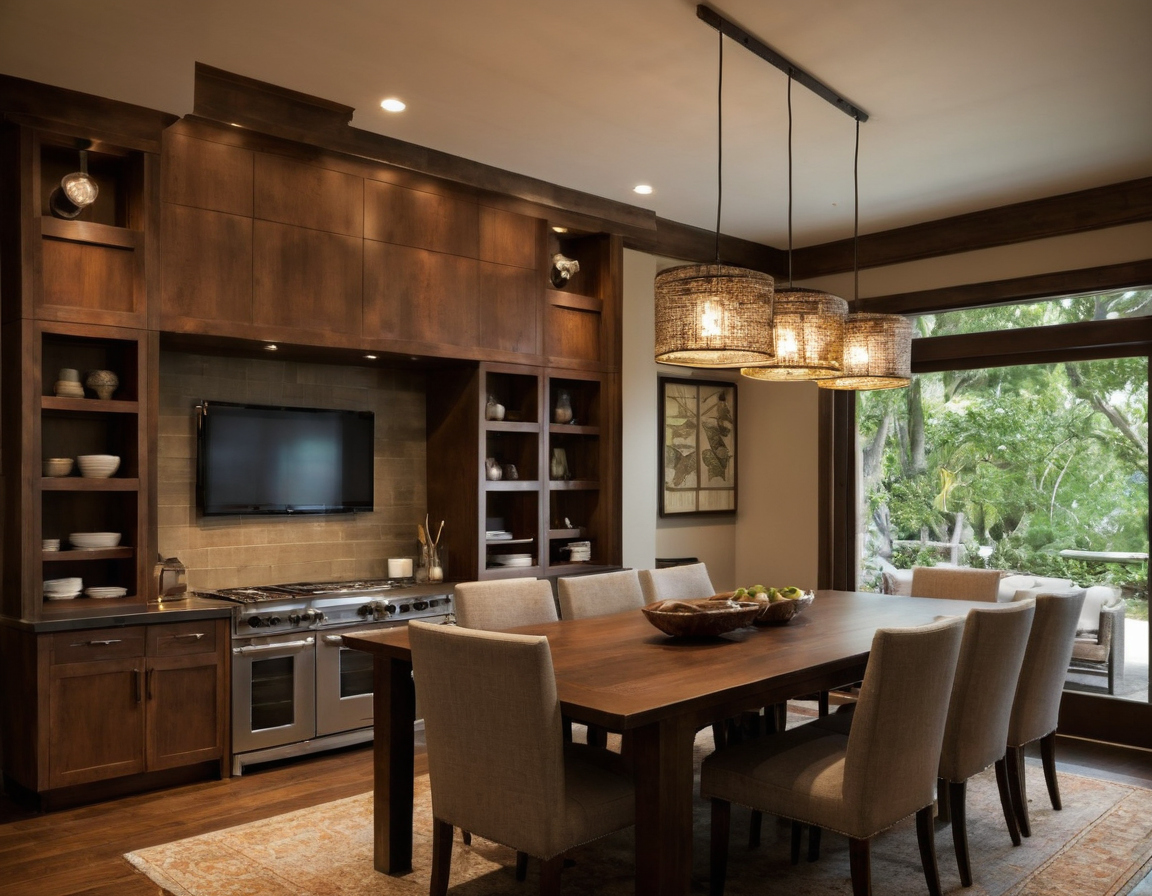
Wood tones in dining sets or media consoles introduce warmth that metal-only fixtures ignore.
Do LED fixtures produce enough light for large sectional sofa arrangements? LED output varies by model. Request photometric data from your supplier showing total lumens and beam spread. For efficiency and longevity, look for products meeting the specifications outlined by ENERGY STAR, which state that qualified LED lighting uses at least 75 percent less energy and lasts up to 25 times longer than incandescent lighting.
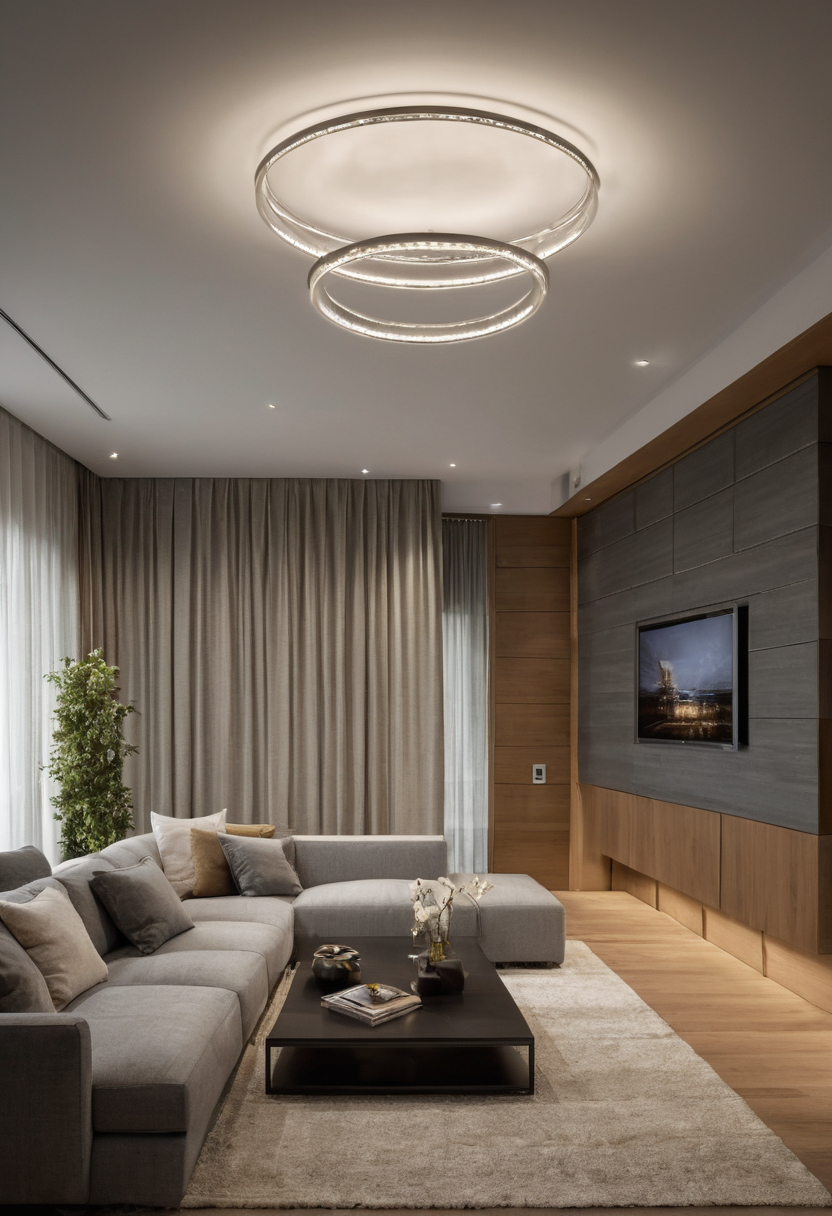
Which ceiling light types work best for specific UAE living room layouts.
Should I worry about fumes when installing a new ceiling fixture? Installation itself rarely produces significant emissions, but associated work might. The U.S. Environmental Protection Agency identifies paints, varnishes, building materials, and furnishings as common indoor sources of volatile organic compounds. If your installation involves patching, painting, or sealing around the fixture canopy, the U.S. Environmental Protection Agency recommends increasing ventilation when using products that emit volatile organic compounds indoors.
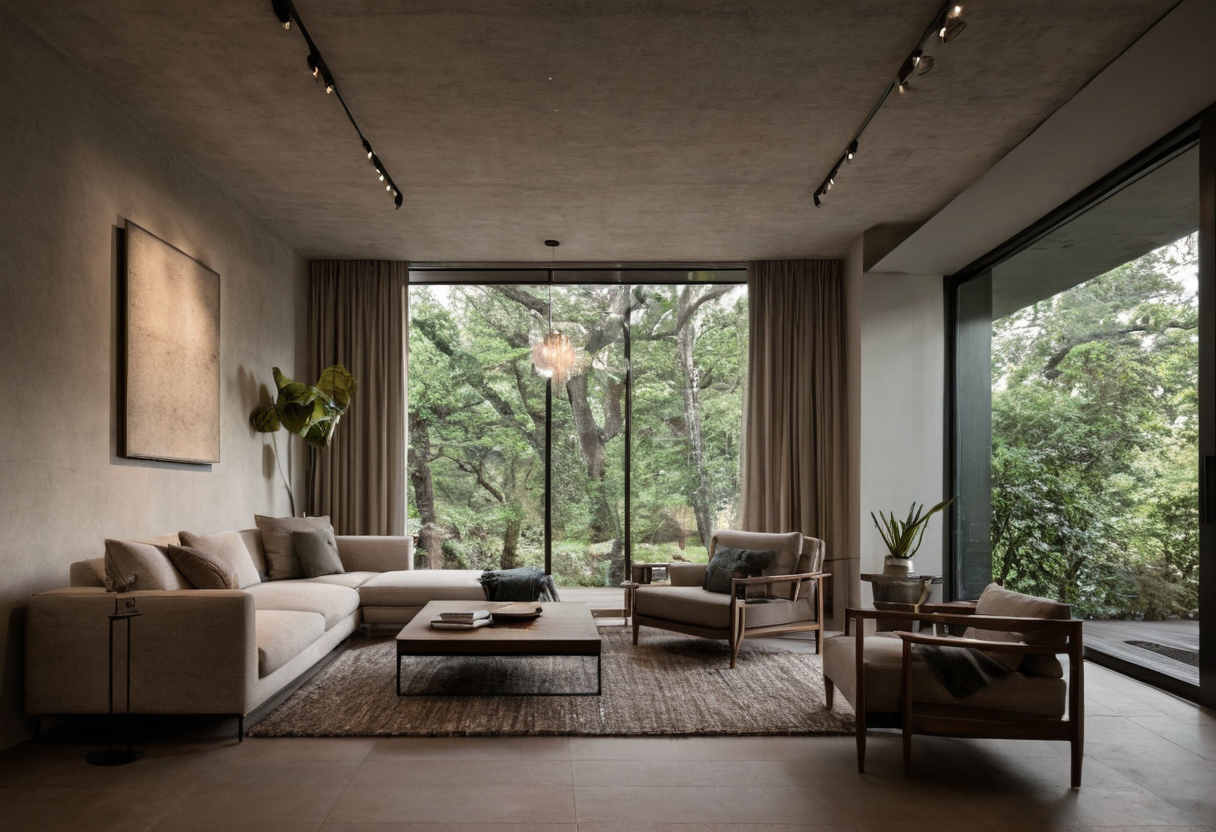
Pendant lights and linear suspensions suit elongated living rooms where a sofa stretches beyond three metres.
How do I protect a natural stone coffee table during overhead light installation? Cover the stone surface to prevent dust and debris accumulation. When cleaning the table afterward, follow guidance from the Natural Stone Institute, which recommends cleaning natural stone surfaces with neutral cleaners, stone soap, or mild liquid dishwashing detergent and warm water. The Natural Stone Institute also warns that scouring powders or creams can scratch natural stone surfaces because those products contain abrasives, so avoid using harsh construction-cleanup chemicals on the stone.
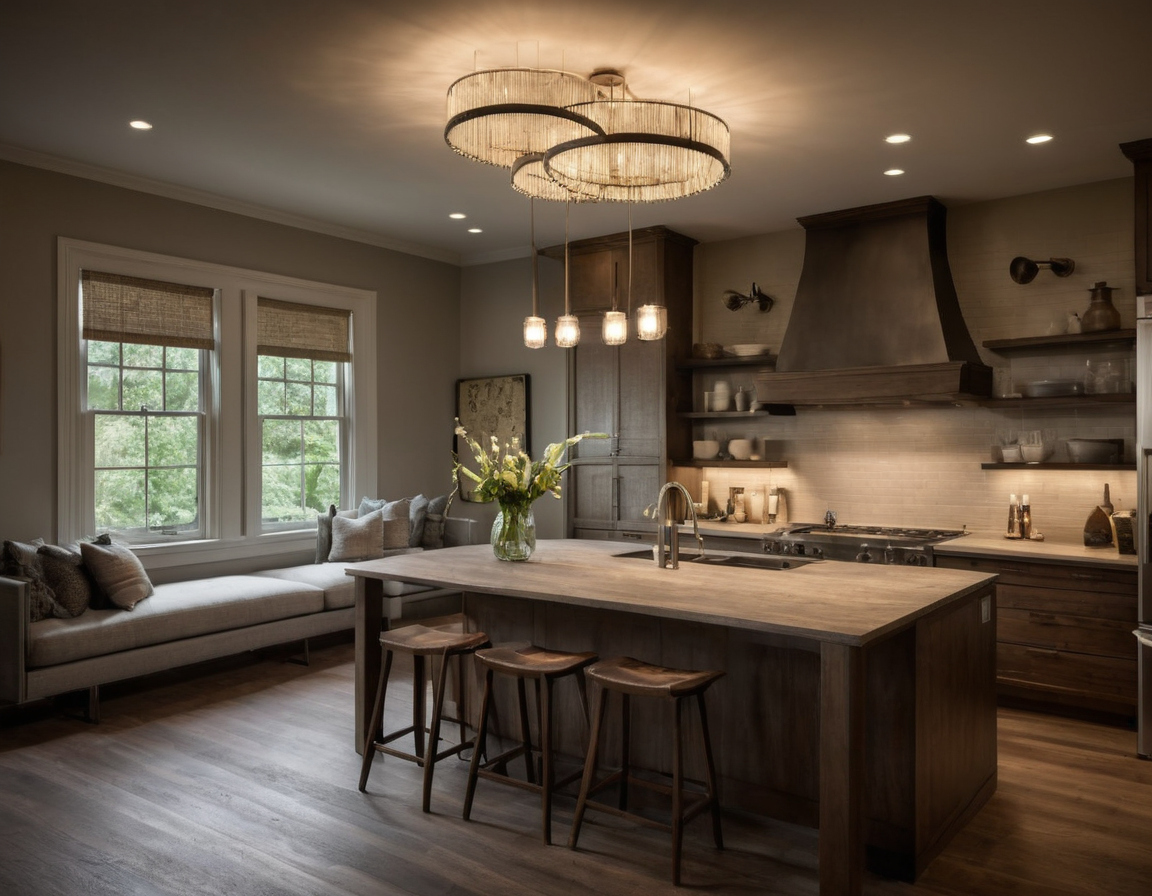
Checklist: Verifying your ceiling fixture against your furniture plan.
For more on this topic, see other guides on this site.